

Ask three coffee people what to upgrade first and you'll usually get the same answer: the grinder. It's the least glamorous object on the counter and the one that changes your cup the most. A good brewer fed an uneven grind can only do so much. Here's how to pick the right grinder for espresso, pour-over or French press without paying for features you'll never touch.
Start With the Brew Method, Not the Machine
Grind size is the first thing you control, and every brewing method wants something different. Espresso needs a fine, tightly consistent grind because small changes in particle size shift extraction quickly. Pour-over sits in the medium range and tolerates a little more variation. French press wants coarse particles, since fine dust slips through the mesh and turns the bottom of the cup into sludge.
That matters because consistency gets harder to hold as the grind gets finer. A grinder that produces a lovely medium grind for your morning V60 might scatter dust and boulders when you ask it for espresso. Decide which method you drink most, then buy for that one. If you brew two very different ways every day, prioritize a wide adjustment range over any single clever feature.
Burr vs. Blade: The Difference You Can Taste
A blade grinder is a small propeller in a cup. It chops. Some particles shatter into powder while others stay in chunks, and no two sessions come out the same because you're timing it by ear. In the cup, that means you extract the dust too far and the chunks not far enough at the same time. You can improve results by pulsing and shaking the grinder mid-grind, and for a casual French press habit you can absolutely live with it. What you can't do is dial in a recipe and repeat it tomorrow.
A burr grinder crushes beans between two hardened surfaces set a fixed distance apart. Change that distance, and you change the grind predictably. The same setting number gives you roughly the same result next week, which is the whole point: it turns grinding into a variable you can adjust rather than one you have to guess at.
Conical vs. flat burrs
Conical burrs use a cone spinning inside a ring. They're generally quieter, less expensive and comfortable across the whole range from espresso to French press. Flat burrs use two parallel discs and are often built for tighter particle distribution and clarity in the cup, which is why espresso-focused setups tend to favor them. For most home kitchens, burr quality and the adjustment mechanism matter more than the geometry. Don't let the shape alone decide your purchase.
Matching the Grinder to Your Method
- Espresso: You need the finest settings and the ability to nudge them in tiny increments. Look for stepless adjustment or very fine steps, and expect to pay for a grinder that's actually built for it. Cheap burr grinders often stall at the fine end or drift between shots.
- Pour-over: Medium grind is where most burr grinders feel at home. Nearly anything with real burrs will do the job well, so spend on build quality and easy adjustment rather than extreme range.
- French press: Coarse settings expose weak burr sets. If the grind comes out uneven wide open, you'll get grit in the cup. Check that the grinder holds its consistency at the coarse end, not just in the middle.
- AeroPress and Moka pot: Somewhere between fine and medium. A grinder with a genuine wide range covers these plus everything above.
What Each Price Tier Actually Buys
At the lowest end, your money goes furthest with a manual burr grinder. Hand grinders with steel burrs deliver a surprisingly even grind for the cost, and the trade-off is your arm and a small capacity. Blade grinders are cheaper still, but you're buying speed, not consistency.
Entry-level electric burr grinders buy convenience: press a button, walk away. They handle drip, pour-over and French press comfortably, and most struggle with real espresso. The mid-range is where espresso becomes realistic, with sturdier burrs, finer adjustment and less drift over months of use. Above that you're paying for espresso precision, single-dosing flexibility and materials built to last a decade. Prices shift with region and sales, so compare tiers by capability rather than by a number.
Features Worth Paying For
- Adjustment quality: Stepless or very fine steps beat a coarse click wheel if you brew espresso.
- Burr material: Steel is tough and forgiving; ceramic holds an edge well but chips if you hit a stone. Either is fine when well made.
- Retention: How much ground coffee stays inside? A gram or two is normal. High retention wastes beans and makes single-dosing frustrating.
- Cleaning access: A burr assembly you can remove and brush out in two minutes will get cleaned. One that requires tools won't.
- Parts and support: Burrs wear out. A grinder you can buy replacement burrs for is a grinder you keep.
Manual Grinders and Travel
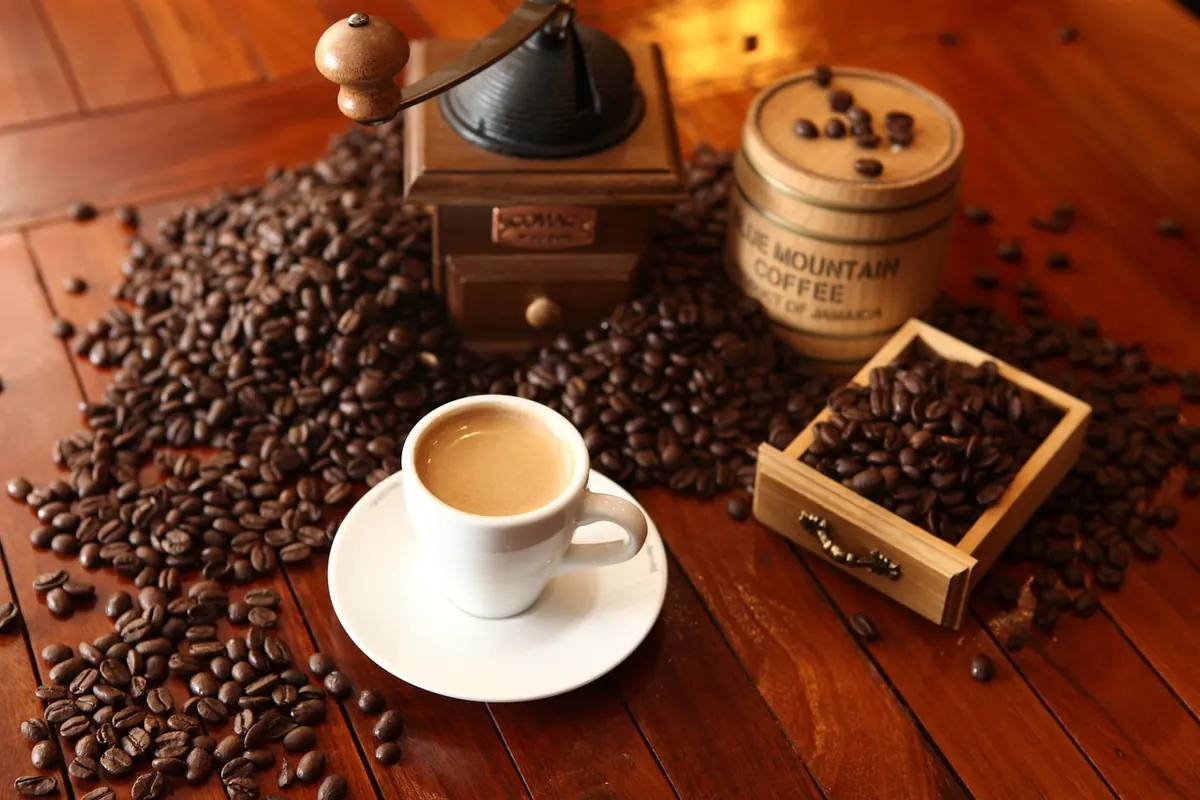
If you travel, a hand grinder earns its space in a carry-on. Look for a steel burr set, a folding or removable handle, and a body that won't flex while you crank. Capacity matters more than weight for some people: a compact model that grinds one cup is perfect for a hotel room, annoying if you're making four cups for a rented house.
Coffee that's ground at home and sealed in an airtight container is fine for a day or two. Beyond that, the aroma fades noticeably, and a hand grinder is the difference between good coffee and merely acceptable coffee on the road. Pack a small brush too; travel grinders collect static and chaff quickly.
Care and Dialing In
Brush the burrs out weekly and never rinse them with water; moisture rusts steel and degrades the grind. Oily, flavored beans leave residue that goes stale in the chamber, so clean more often if you brew them. A new grinder's output changes slightly over the first several bags as the burrs settle, so expect to re-tune your recipe once or twice.
When you're chasing a better cup, change one thing at a time. Adjust grind, brew, taste, then decide. If you move grind size and dose and water temperature together, you'll never know which one fixed it.
The Short Version
Buy burrs, not blades, unless your only goal is a rough French press grind and you don't mind inconsistency. Match the grinder to the method you brew most, spend as much as your budget allows on the grinder rather than the brewer, and favor adjustable, serviceable models over clever ones. A decent burr grinder you keep for years costs less per good cup than replacing a cheap one every eighteen months.
Photo: zooocoo / Pixabay
Related posts
More stories you’ll love reading