

Most people who open a casino app for the first time think they're playing the same game whether they tap a slot reel or sit at a poker table. They're not. Not even close. The single biggest mistake casual players make is treating every iGaming product as one blurred category of "gambling," when the mechanics, the math, and who you're actually playing against are wildly different depending on what you pick. Understanding those differences is the line between a fun, controlled hobby and a slow bleed of your bankroll. So let's break down what's really happening under the hood.
The House Edge Isn't a Scam — It's the Whole Business Model
Every casino game carries a mathematical advantage for the operator. This is not a flaw or a rigged system; it's how the industry pays for everything from server costs to the welcome bonus you just claimed. The edge is baked into the rules, and it's usually public information if you bother to look. A good place to continue is สล็อต.
A few concrete numbers worth memorizing:
- Blackjack with basic strategy and decent rules: house edge around 0.5%. That's the best deal on most casino floors.
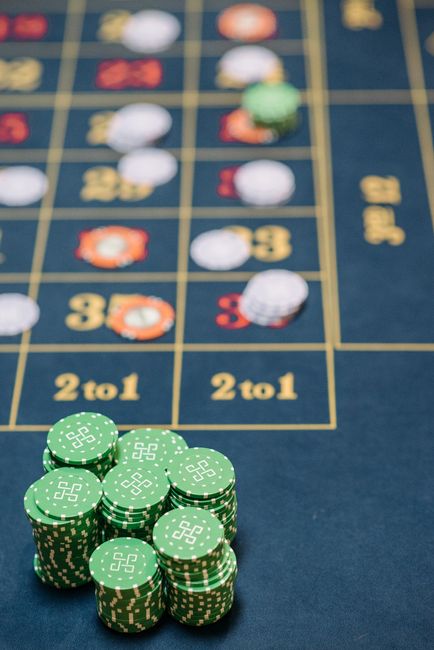
- European roulette: 2.7% (one zero). American roulette jumps to 5.26% because of that second zero — never play American if you can avoid it.
- Baccarat betting on the banker: roughly 1.06%, often lower than blackjack depending on commission rules.
- Slots: typically 2% to 10%, and it's the hardest to pin down because it varies per machine and per casino.
Notice what's missing from that list? Poker. That's because poker is a different animal entirely, and it deserves its own section.
Slots: The RNG Is Fair, But the Variance Will Humble You
Modern slot machines don't run on mechanical reels with weighted physical stops anymore. They use a Random Number Generator, and the outcome of every spin is completely independent of the last one. That means the ". it's due for a big win" mentality is pure fiction. A slot that hasn't paid in three hours is no more likely to hit than a machine that just paid out.
Where slots get interesting — and dangerous — is the combination of Return to Player (RTP) and volatility. Two slots can both advertise a 96% RTP, but one might pay small amounts constantly while the other does nothing for 400 spins and then drops a jackpot. High-volatility slots are not "worse," but they require a bigger bankroll to survive the dry spells.
A practical tip: check the RTP listed in the game's help screen before you play. Online slots range from about 88% to 99%, and that gap is enormous. A 92% slot and a 97% slot look identical on screen but cost you five cents more per dollar wagered — which compounds fast across hundreds of spins.
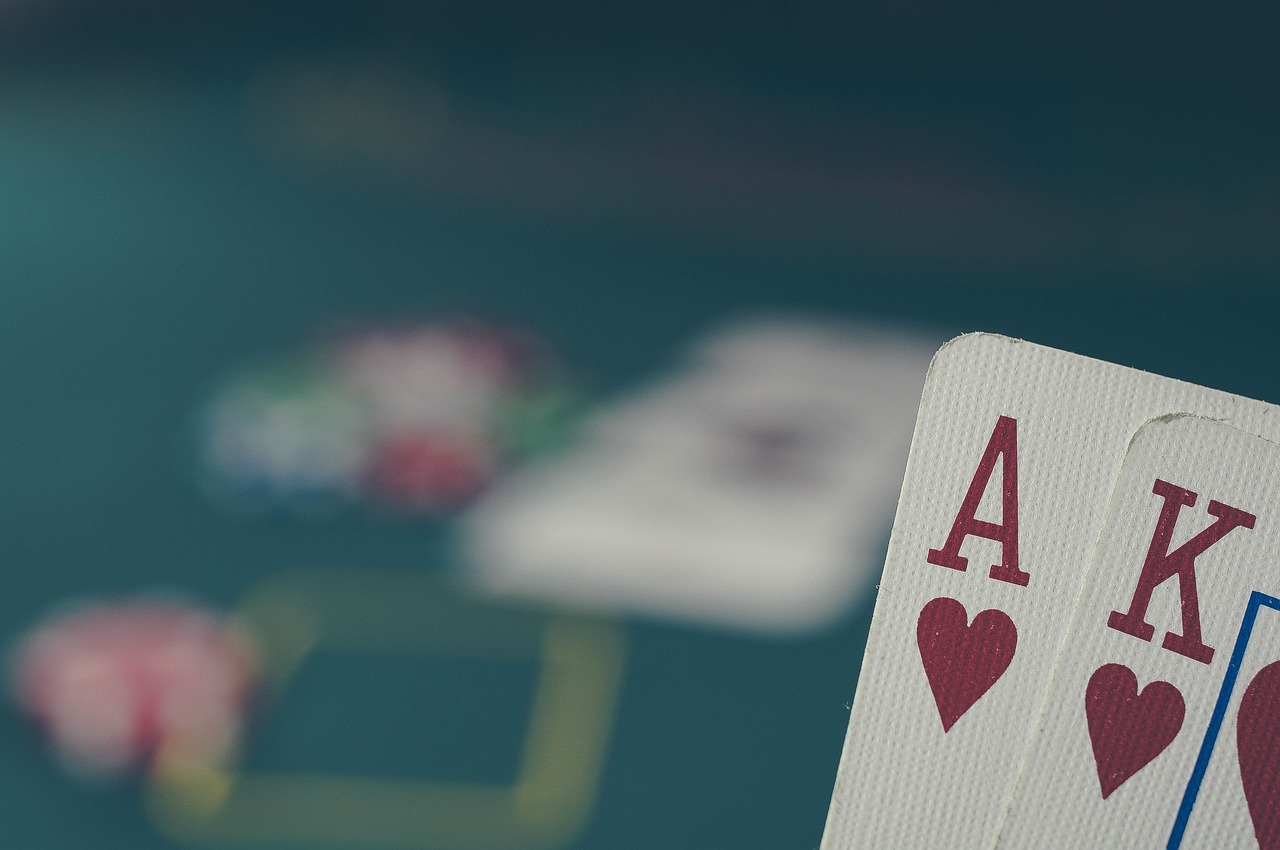
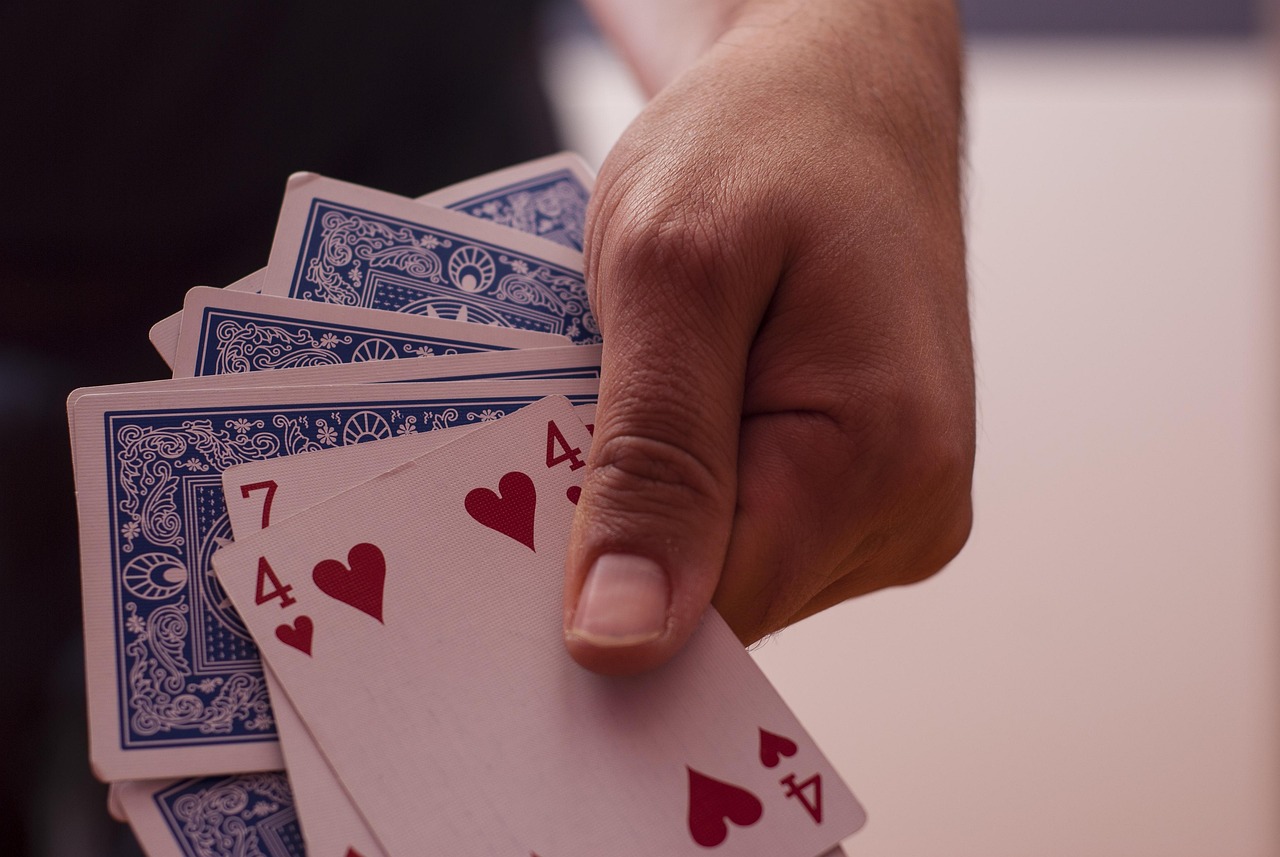
Poker Is Not Gambling in the Same Way — You're Playing People
If slots and roulette are games of math against the house, poker is a game of psychology against other players. The house just takes a rake (a small cut of each pot), typically 2.5% to 10% depending on the stakes and the site. The house doesn't care who wins. That fundamentally changes everything.
In poker, skilled players can genuinely win long-term because they're not fighting a mathematical edge — they're exploiting weaker opponents. That's why the same game can be a coin flip for a drunk tourist and a profitable side income for a disciplined grinder.
Three things separate winning poker players from losing ones:
- Bankroll management. Serious players never risk more than 1-5% of their total bankroll on a single table buy-in. Going broke is a management failure, not a bad-luck story.
- Position awareness. Acting last gives you information on everyone else's hand. Tight players who only play strong hands from late position crush loose players who play everything from early position.
- Emotional control. Tilt — playing badly because you're angry about a bad beat — destroys more bankrolls than any river card ever did.
Online poker has also evolved. Solvers and AI training tools mean the recreational field is tougher than it was in 2008, but low-stakes games are still soft enough for a patient, disciplined player to profit.
Bonuses: Read the Fine Print or Leave the Money on the Table
Welcome bonuses are marketing, pure and simple. They're not free money, and treating them like free money is how players get trapped into wagering requirements they can't possibly clear. Common terms to hunt down before you opt in:
- Wagering requirement: often stated as "35x" — meaning you must bet 35 times the bonus amount before withdrawing anything.
- Game weighting: slots usually count 100% toward the requirement, but table games and live dealer games might count 10% or not at all. That's often hidden in a table five clicks deep.
- Maximum bet while using bonus: exceed it (even accidentally on a big slot spin) and you can lose the entire bonus and any winnings.
- Time limits: typically 7 to 30 days. A 30-day window with a high requirement is essentially a no-win situation.
My rule of thumb: if the wagering requirement is more than 40x and the game weighting for your favorite games is under 50%, the bonus is probably not worth the hoops unless you already planned to play anyway.
Responsible Play Isn't a Buzzword — It's Your Only Real Edge
Here's an uncomfortable truth: in games where the house has a mathematical edge, the only long-term variable you control is how much you play. Session length, stake size, and the number of separate bets you place all multiply the edge against you. That's why "I'll just play until I win it back" is the most expensive sentence in gambling.
Set a loss limit before you start — a hard number you walk away at, no exceptions — and set a time limit in the same way. Many regulated sites now include built-in tools for exactly this: deposit limits, session reminders, and self-exclusion. Use them. The 4.5-hour marathon session that felt like 45 minutes is how bankrolls vanish.
And if gambling stops being fun, stop playing. That's not a moral lecture; it's practical advice. A player who's anxious or chasing is playing worse than they think.
The Bottom Line: Play the Game, Don't Let It Play You
The iGaming world offers genuinely different experiences under one roof. Slots are entertainment with a fixed cost per spin. Table games are slow, predictable math with the tightest odds in the building. Poker is a battlefield where skill actually matters, and it's the only one of the three where a disciplined player can earn over time. Knowing which one you're actually sitting down at — and why — changes how you bet, how long you stay, and whether you end the night satisfied or frustrated. The house doesn't mind being predictable. It only wins long-term because most players aren't. Be one of the ones who is.
Related posts
More stories you’ll love reading