

Two cups brewed from the same tin of green tea can taste like two different drinks. One is sweet and faintly vegetal, like steamed asparagus with a little butter. The other is harsh, drying, bitter enough that you reach for the sugar bowl. The leaves did not change between those cups. The water did. Almost every disappointing pot of tea made at home comes down to two numbers: how hot the water was, and how long the leaves sat in it.
Get those two roughly right and inexpensive tea tastes good. Get them wrong and a very good tea tastes like a mistake.
The Two Variables That Decide Everything
Steeping is extraction. Hot water pulls flavor out of the leaf: first the amino acids and aromatics that read as sweetness and fragrance, then the tannins and caffeine that read as body, astringency, and bitterness. Heat speeds that process up, and time gives it room to continue.
A weak cup usually means the water was too cool or the steep too short, so the good compounds never made it into the water. A bitter cup usually means the opposite. Boiling water on a delicate green tea, or five extra minutes on a black tea bag, drags out far more tannin than anyone wants to drink.
Two more things explain why a "correct" time is always a range. Leaf size: whole leaves release flavor slowly, while the broken leaves and fannings in a conventional tea bag give it up in a hurry. Water quality: filtered tap water tastes cleaner than heavily chlorinated water, and distilled water makes flat tea because it has no minerals at all.
The Quick Reference Chart
Treat these as starting points, then adjust to your own leaves and taste. Use about one teaspoon of leaf per 8 ounces (240 ml) of water, or closer to two teaspoons by volume for bulky leaves like white tea and balled oolong.
- White tea — 175–185°F (80–85°C), 2–3 minutes
- Green tea — 160–180°F (70–80°C), 1–3 minutes
- Light oolong — 185–195°F (85–90°C), 2–3 minutes
- Roasted or balled oolong — 195–205°F (90–96°C), 3–5 minutes
- Black tea — 200–212°F (93–100°C), 3–5 minutes
- Pu-erh — 200–212°F (93–100°C), 3–5 minutes, and it takes several steeps well
- Herbal infusion — 212°F (100°C), 5–7 minutes
One exception to the whole list: matcha is not steeped at all. It is whisked into water around 175°F (80°C) and drunk as a suspension of the whole leaf.
White and Green Teas: Cool Water, Short Steeps
White tea
White tea is forgiving for a delicate tea, but it still dislikes a rolling boil. Silver needle, the bud-only style, is the lightest of the group: 175°F and two minutes gives a pale, honeyed, almost floral cup. Bai mu dan and leafier whites have more body, so 185°F for three minutes suits them better. If your white tea tastes like nothing at all, nudge the temperature up five degrees before you reach for more leaf.
Green tea
Green tea is where most people go wrong, usually by pouring water straight off the boil. The sweet spot is 160–180°F, and steeps are short: one to two minutes for most Chinese greens, as little as 45 seconds for a fine Japanese sencha. Gyokuro, grown under shade, wants water down near 140–160°F to taste sweet rather than marine.
Green tea is also the most rewarding to re-steep. A second infusion at the same temperature for 30 seconds often tastes better than the first, and a third is usually still worth drinking.
Oolong: A Wide Range, Worth the Attention
Oolong sits between green and black, and the category spans everything from light, floral teas to dark, roasted ones. Light oolongs such as bao zhong do well at 185–195°F for two or three minutes. Roasted and tightly balled styles — tieguanyin, dong ding, rock oolongs — need hotter water, 195–205°F, and three to five minutes, partly because the rolled leaf has to unfurl before it can give up much flavor.
Whole-leaf oolong is the best tea for multiple infusions. Brew it three, four, five times, adding roughly 30 seconds each round. The flavor shifts noticeably from steep to steep, which is half the pleasure.
Black Tea: Hot, But Watch the Clock
Black tea can take water close to boiling: 200–212°F, three to five minutes. That range hides a big difference in leaf. A whole-leaf Assam needs four to five minutes to show its malt and depth, while a broken-leaf tea bag is done in about three. Darjeeling first flush is lighter and more floral than most blacks; try it at 195°F for three minutes before judging it.
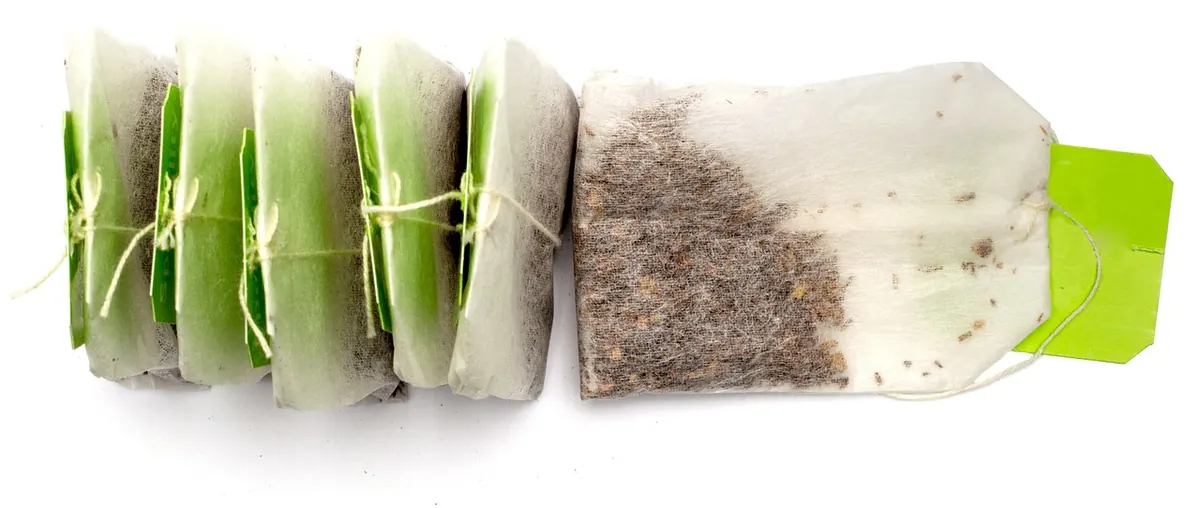
The classic mistake is leaving the bag in the mug. The first three minutes are pleasant; minutes five through ten turn the cup drying and tannic. If you want a stronger cup, add more leaf rather than more time. Milk, lemon, or honey is a decision to make after tasting the tea, not before.
Herbal Infusions: Boiling Water, Longer Wait
Herbals contain no tea leaves, so the rules change. There is nothing delicate to protect, which means fully boiling water and a longer steep: five to seven minutes for leaves and flowers like peppermint, chamomile, and hibiscus. Rooibos is especially forgiving and rarely turns bitter, even if you forget it.
Roots, bark, and seeds need more. Ginger, cinnamon, fennel seed, and licorice root give up far more if you simmer them in a covered pot for ten to fifteen minutes rather than pouring water over them. Cover the cup while it steeps, too — the volatile oils that make mint and chamomile smell so good escape with the steam.
If a tea tastes bitter, the fix is almost always shorter and cooler, not a different tea.
Getting It Right Without Fancy Gear
You do not need a variable-temperature kettle to brew good tea, though it makes green tea easier if you drink it daily. A few habits cover most of it:
- Boil the water, then let it rest. Two or three minutes in the kettle brings it into the range most teas want; five or six minutes gets you near green-tea territory. Pouring from a height into a cool mug drops it further.
- Check with a thermometer once. Boil water, pour a cup, and take the temperature every minute until it reaches 175°F. Now you know how long your kettle and your kitchen need.
- Taste at the early end of the range. The first minute or two tells you more about your leaf than any chart.
- Adjust one variable at a time. If the cup is bitter, shorten the steep first, then lower the temperature, then use less leaf.
- Re-steep whole-leaf teas. Green, white, oolong, and pu-erh leaves usually give two to five good infusions.
A good cup is less a chemistry experiment than a matter of paying attention for three minutes. Start with the chart, taste, and adjust. Within a week you will know how your tea, your kettle, and your water behave together — and that is the only chart that matters at your counter.
Photo: Humusak / Pixabay
Related posts
More stories you’ll love reading